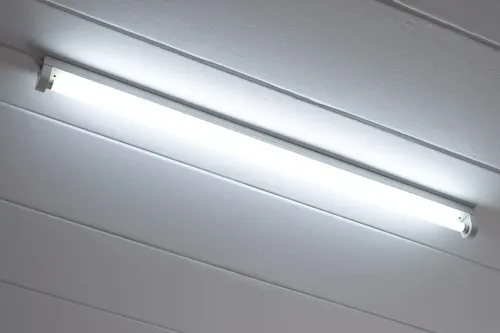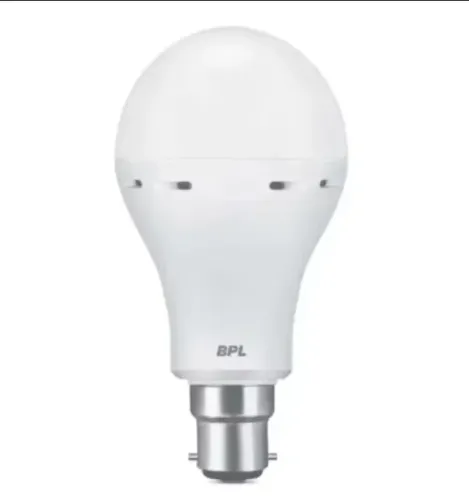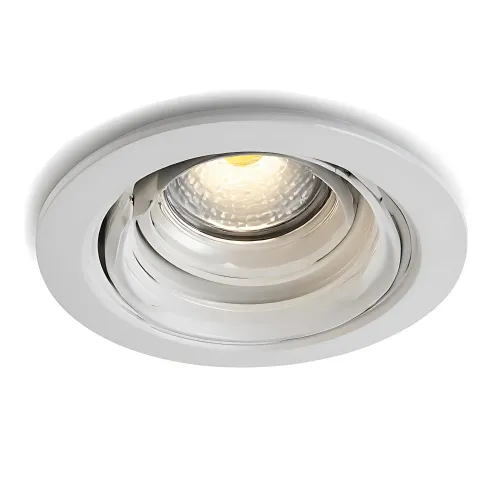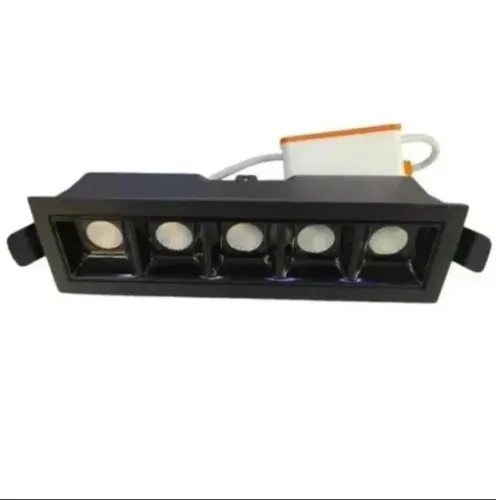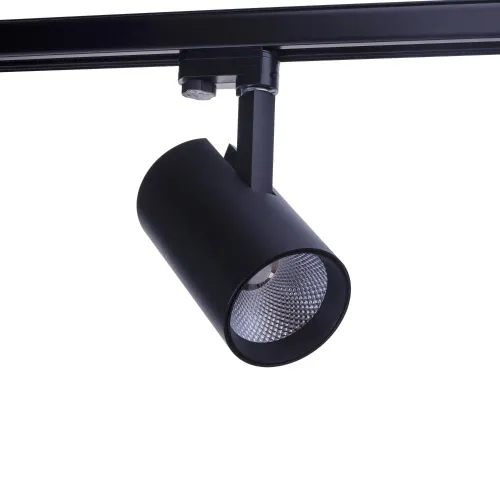
A 24W rating tells you how much electricity a fitting draws, not whether it will light desks, benches or storage aisles adequately. By comparing lux, delivered lumens, spacing, operating cost, glare, heat tolerance and electrical specifications, you can decide where a 24W batten fits—and where another luminaire is the better choice.
Key takeaways
- Match batten spacing to maintained illuminance, not room area alone.
- Calculate monthly use with watts, operating hours and electricity tariff.
- Request lumen output, colour temperature, CRI, IP rating and warranty terms.
- Check heat, dust protection and voltage performance before installation.
Where does a 24W batten work well in a Delhi office?
A 24W batten works well in a Delhi office when it delivers the required maintained illuminance at the desk, not merely when its label matches the room size.
Workstations are commonly assessed at about 300–500 lux, depending on reading, computer or detailed paperwork tasks; corridors and storage areas need less, while reception desks, cabins and small workrooms need an even distribution.
A 24W rating states electrical input: 0.024kW. Delivered lumens depend on LED efficacy, driver losses, diffuser transmission and beam distribution, so two 24W products can produce different lux levels. Room dimensions, ceiling height, wall reflectance, daylight and desk layout determine both fitting count and spacing.
| Option | Practical comparison | Suitable use |
|---|---|---|
| 18W LED batten | Lower output and input | Corridors, compact cabins and supplementary lighting |
| 24W LED batten | Mid-range output | Desks, reception areas and small workrooms after calculation |
| 36W LED batten | Higher output and input | Larger rooms or higher ceilings |
| LED panel | Broad, diffuse ceiling distribution | Screen-heavy offices requiring controlled glare |
| Bare bulb | Uneven light and exposed brightness | Not suitable for professional desk lighting |
For screen-based work, ask for UGR 19 or lower where appropriate. A generic UGR claim is insufficient: spacing, mounting height, diffuser and viewing direction affect glare.
- Obtain the photometric file and check maintained lux at the workplane.
- Confirm the proposed layout avoids dark bands and reflected-screen glare.
- Compare the 24W LED batten light in Delhi with an 18W or 36W alternative before approving an LED batten light for office use.
How should you use 24W battens in workshops?
A 24W batten suits workshop benches, tool areas, storage zones and circulation paths when a lighting calculation delivers the required maintained lux at the workplane. Assembly, inspection and machining need more focused task lighting than general aisles, so add an adjustable bench light where detail work creates fine shadows.
Uniformity and shadow control matter more than maximum lumens. Continuous or closely spaced battens reduce dark bands between fittings, while narrow beams create harsh shadows around machinery. Request maintained average illuminance, minimum-to-average uniformity and beam distribution, not only initial lumens.
| Option | Best use | Limitation |
|---|---|---|
| 24W LED batten | Benches, tool areas, storage and aisles at modest mounting heights | Needs task lights for detailed inspection or machining |
| 36W LED batten | Larger rooms, wider spacing or higher ceilings | Uses more power and still may not suit substantial heights |
| High-bay light | High ceilings and large open workshops | Excessive for low rooms |
| Fluorescent tube | Retrofit where existing wiring and housings remain usable | Ballast losses, relamping and disposal |
| Bare bulb | Temporary, low-demand areas | Uneven work surfaces and aisle lighting |
For a practical led batten light for workshop, check dust, debris, impact and wash-down exposure. The first IP digit covers solids; the second covers water, so IP65 means dust-tight protection and water-jet protection. IP does not prove impact, chemical or heat resistance.
A 24w led batten light for benefits in delhi is practical in a dry, low-ceiling workshop, but choose task lights or another luminaire when detail, height or harsh conditions exceed its coverage.
How much electricity can a 24W installation use each month?
One 24W fitting draws 0.024kW. Ten fittings running 10 hours daily for 26 days use 0.024 × 10 × 10 × 26 = 62.4kWh per month before controls. At an illustrative tariff of ₹10 per kWh, the lighting energy costs 62.4 × ₹10 = ₹624; replace ₹10 with your billed rate.
- Compare the same operating schedule: 36W LED battens use 93.6kWh monthly, while 18W battens use 46.8kWh. A 24W replacement cuts lamp wattage by about 33% against a 36W fluorescent tube and 40% against a 40W tube.
- Measure the existing circuit with a wattmeter before claiming savings. Fluorescent ballasts consume additional power, so the real reduction can exceed the lamp-only comparison.
- Model controls separately. Occupancy sensors need coverage aimed at people, not blocked by shelving or machinery; intermittent workshop occupancy can cause missed switching. Daylight dimming and zoning reduce output or operating hours only in areas where daylight and use patterns support them.
| Option | Ten-fitting monthly load | Comparison |
|---|---|---|
| 24W LED | 62.4kWh | Baseline |
| 36W LED | 93.6kWh | 50% higher than 24W |
| 18W LED | 46.8kWh | 25% lower than 24W |
| 40W fluorescent lamps | 104kWh plus ballast losses | Lamp-only comparison |
An energy saving batten light will not save energy if you install excess fittings or leave them on unnecessarily. Include purchase, installation, annual kWh, maintenance access, driver replacement, controls and disposal in total cost of ownership. For 24w led batten light for benefits in delhi, compare the complete service cost, not the label alone.
Which specifications matter in Delhi’s heat, dust and variable supply?
For a 24W LED batten light in Delhi, specify light output and operating conditions, not wattage alone. Ask for delivered lumens, colour temperature in kelvin, beam spread, CRI, and R9 or colour-consistency data before approving an energy saving batten light.
| Specification | Request | Why it matters |
|---|---|---|
| Light output | Delivered lumens, beam spread, colour temperature, CRI, R9 or consistency data | Two 24W fittings can illuminate a room differently |
| Thermal performance | Rated ambient-temperature range, driver temperature limit, and L70 or L80 basis | A 50,000-hour claim is incomplete without temperature and lumen-retention conditions |
| Electrical input | 230V, 50Hz single-phase compatibility; permitted voltage range; driver type; power factor; total harmonic distortion | Variable supply and switching transients expose weak drivers |
| Protection and installation | Earthing, surge protection, mounting method, and wiring instructions | Incorrect installation creates failure and safety risks |
Ask a qualified electrician to follow the manufacturer’s instructions when bypassing a fluorescent ballast or changing existing wiring. A retrofit can affect insulation, emergency circuits, polarity, warranty and electrical safety.
Do not treat IP ratings as a complete durability claim. The first IP digit addresses dust ingress and the second addresses water; neither proves impact, chemical or heat resistance. Request those ratings separately for dusty or wash-down areas.
LED chips can outlast their drivers. Check the driver warranty, replaceability and availability of the complete fitting, not just the advertised LED life.
What should you request before buying 24W battens for a Delhi site?
Measure the room before approving a 24W fitting: record length, width and mounting height, then identify desks, benches, aisles and inspection tasks. Set maintained-lux targets, map daylight and switching zones, calculate spacing, and confirm average lux and uniformity through a lighting calculation or on-site survey.
This is the only reliable test for the benefits of a 24w led batten light in Delhi.
For a led batten light for office use, inspect screen reflections and ask for UGR 19 or lower at the actual spacing. In a led batten light for workshop areas, check glare from polished machinery and shadows across benches.
| Option | Choose it when | Main warning |
|---|---|---|
| 18W batten | Short rooms or lower light demand | Too little output after spacing losses |
| 24W batten | Desks, aisles or small benches meet the calculated lux | Wattage does not prove brightness |
| 36W batten | Larger rooms or higher mounting | May waste energy if over-specified |
| Panel or high-bay | Low-glare offices or high ceilings | Requires different mounting and distribution |
| Task light | Inspection or fine assembly | Does not replace safe general lighting |
Use a wattmeter on the existing fluorescent circuit; compare measured input, not catalogue claims. Ask Kozon India Solutions Pvt Ltd for photometric files, thermal limits, driver details and warranty terms.
- A sample test and lux readings
- Installation access and wiring instructions
- Controls, sensor placement and switching zones
- Replacement availability and disposal plan
- Total cost over the expected service period
Related product
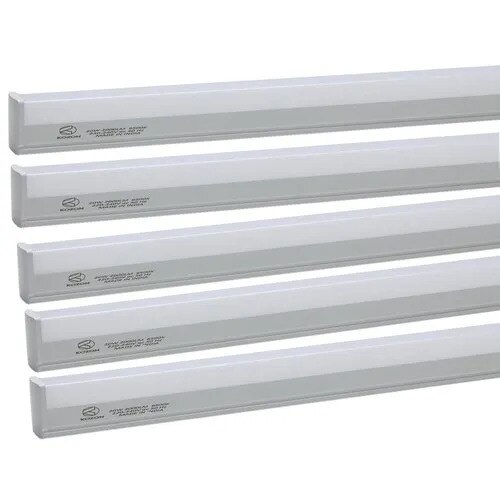 | LED Batten Light ₹130 Tube Light is one of the important product of KOZON INDIA. Most of the Clients shows intrest in our tube lights. View product → |
Frequently asked questions
Where does a 24W LED batten work well in a Delhi office?
Use a 24W batten for general office lighting when its spacing and lumen output deliver the required maintained illuminance at desks. Check glare, shadows and screen reflections before fixing the final layout.
How should you use 24W battens in workshops?
Install 24W battens over work areas after checking task detail, mounting height, shadows and colour rendering. Add focused task lighting where bench work needs more illumination than general lighting provides.
How much electricity can a 24W installation use each month?
Multiply the number of battens by 0.024 kilowatts, daily operating hours and operating days per month. Multiply that result by your electricity tariff to estimate the monthly energy cost.
Which specifications matter in Delhi’s heat, dust and variable supply?
Compare lumen output, efficacy, colour temperature, CRI, beam distribution, operating temperature, IP rating, surge protection, input-voltage range and power factor. Choose protection levels that match the site’s dust and moisture exposure.
What should you request before buying 24W battens for a Delhi site?
Request the datasheet, lumen and wattage test information, dimensions, installation instructions, warranty terms, batch or model identification, driver details and proof of applicable safety compliance.
Keywords