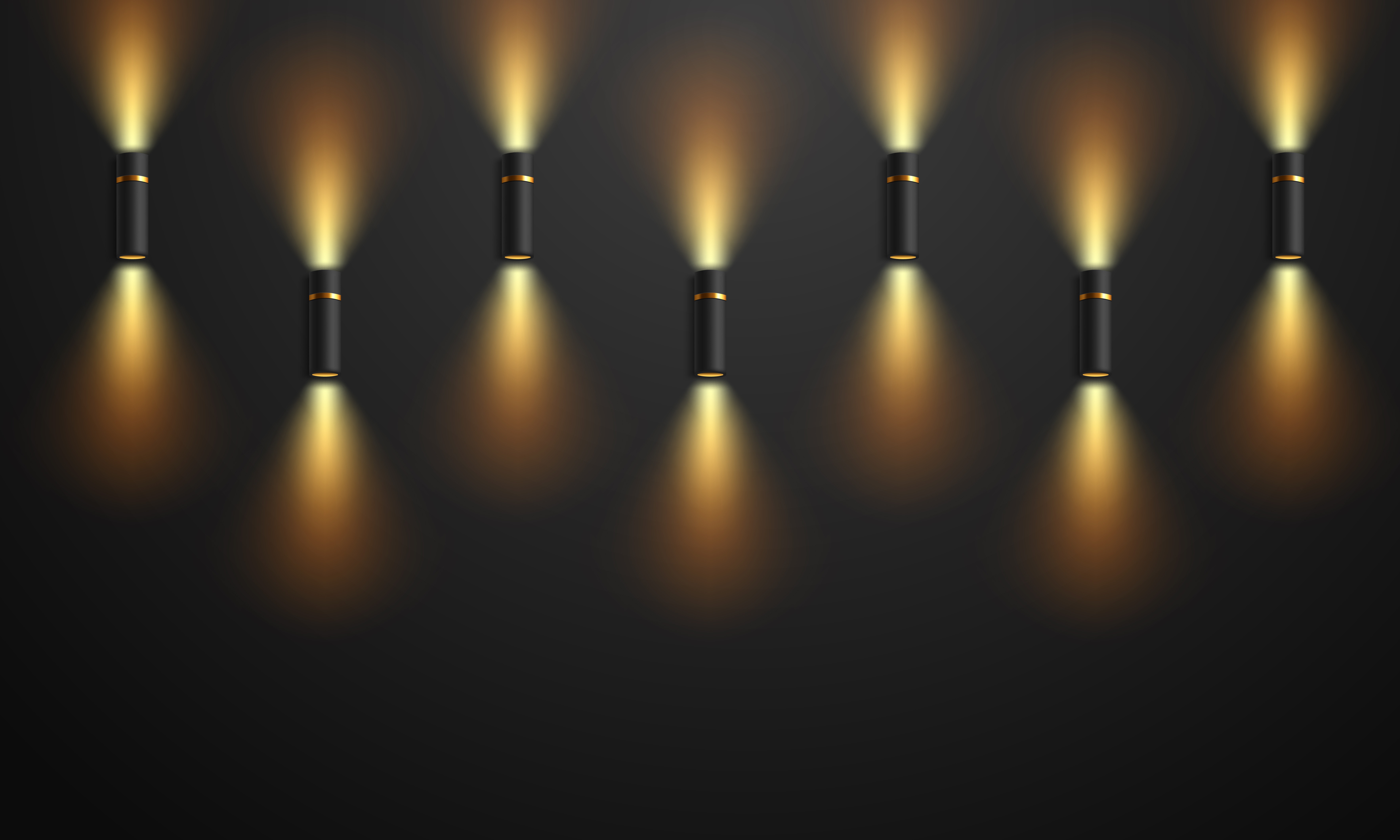
Architectural lighting can transform how a building, landscape feature, textured wall, monument, hospitality property, or commercial façade appears after dark. Wall washer lights are commonly used when designers want illumination distributed across a vertical surface rather than concentrated in one small spot.
Selecting a Wall Washer Light Manufacturer in Delhi/NCR requires attention to optical performance, installation conditions, fixture dimensions, environmental protection, and the visual objective of the project.
The first question should be what effect is required. Uniform façade illumination, grazing across a textured surface, highlighting architectural columns, and illuminating landscape walls can involve different fixture positions and beam characteristics.
Fixture placement has a major influence on the final appearance. Installing a wall washer too close to the surface can emphasise texture and irregularities. Increasing the distance can create a different spread. The appropriate arrangement depends on the architecture and desired visual effect.
Before approving a product, project teams should establish:
- Surface height and width
- Fixture-to-wall distance
- Mounting position
- Desired beam distribution
- Wattage and light output
- Colour temperature
- Colour requirements where applicable
- Fixture length and dimensions
- Outdoor protection requirements
- Driver and electrical configuration
- Quantity and spacing
Delhi and NCR architectural projects encounter environmental factors such as dust, heat, monsoon moisture, and outdoor temperature variations. Exterior fixtures should therefore be selected with installation conditions in mind rather than treated like indoor decorative lighting.
Kozon India Solutions Pvt Ltd manufactures LED lighting products for architectural, commercial, and outdoor applications. Architects, façade consultants, landscape designers, contractors, and developers can provide elevations or site dimensions when evaluating wall washer configurations.
Mock-up testing can be particularly useful for architectural projects. Material colour, surface texture, stone, glass, paint, metal, and surrounding ambient lighting can change the visual effect considerably. Testing a small section before finalising a larger installation can help confirm fixture spacing and aiming.
Another important consideration is visual consistency. When many linear fixtures are installed across one façade, noticeable differences in colour appearance or output can affect the overall result. Product consistency therefore matters in addition to individual fixture performance.
A project is generally ready for manufacturer selection once the architectural intent, installation environment, dimensions, mounting positions, and electrical requirements are sufficiently defined.
For projects in Delhi and across NCR, wall washer lighting works most effectively when the fixture is treated as part of the architecture rather than as an accessory added at the end. Early coordination between lighting requirements and façade design can produce a cleaner and more controlled result.
Keywords