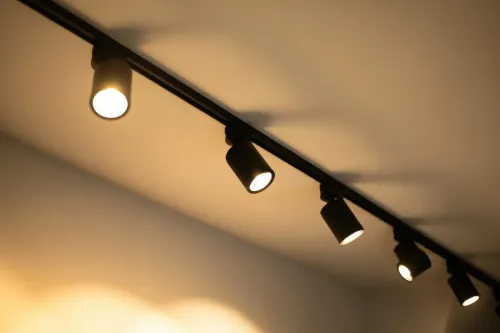
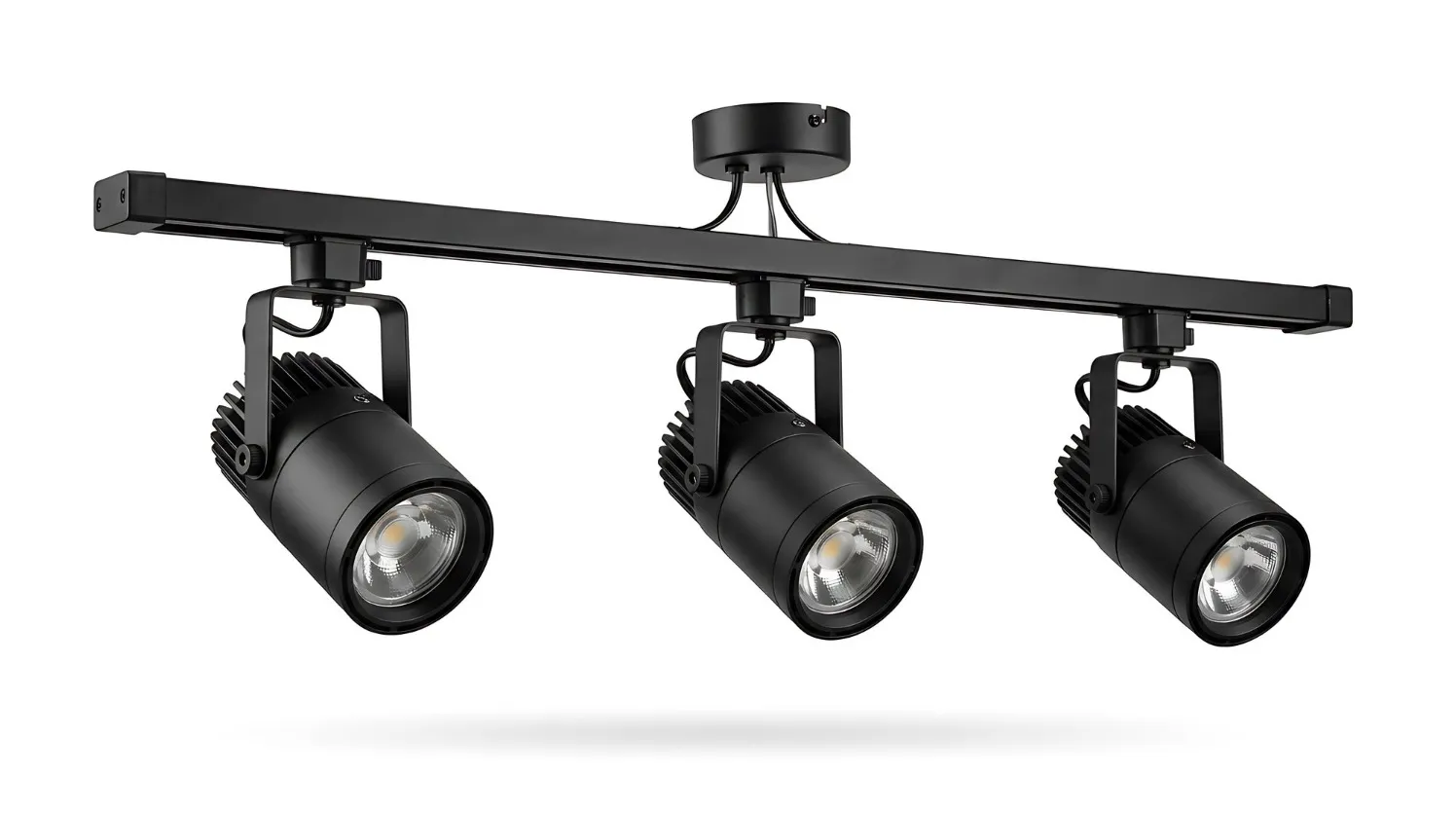
Track lighting gives designers considerable control over where illumination falls, but that flexibility can also lead to avoidable mistakes. Excessive brightness, poor aiming, inappropriate beam angles, and inconsistent colour temperatures can reduce the visual quality of an otherwise well-designed showroom.
Businesses evaluating an LED Track Light Manufacturer in Noida should begin by identifying what the lighting is expected to achieve in each part of the space.
One frequent mistake is treating every display equally. Retail environments usually benefit from visual hierarchy. New arrivals, feature products, wall displays, artwork, counters, or premium merchandise may require stronger emphasis, while circulation areas can use more general illumination.
Another issue is using an unsuitable beam angle. Very narrow beams can create harsh pools of light when fixtures are mounted relatively close to products. Excessively wide beams may reduce the accent effect and make the space appear visually flat.
Glare can also become a problem when adjustable fixtures are aimed toward customer sightlines. Track lights should illuminate products and surfaces without unnecessarily shining directly into the eyes of shoppers.
Other mistakes worth avoiding include:
- Mixing colour temperatures without a design reason
- Ignoring colour rendering requirements
- Installing too few track points for future changes
- Selecting fixtures only by wattage
- Overlighting reflective products
- Placing fixtures too close to displays
- Ignoring ceiling height when choosing optics
- Failing to consider driver and thermal performance
Noida's retail and commercial development forms an important part of the wider Delhi NCR market. Showrooms, experience centres, galleries, offices, dealerships, boutiques, and commercial interiors frequently use track lighting because layouts may evolve after installation.
Kozon India Solutions Pvt Ltd manufactures commercial LED lighting solutions for projects across Delhi and NCR, including applications where adjustable track lighting is required. Sharing ceiling plans, display dimensions, intended beam effects, and interior finishes can help determine suitable fixture specifications.
Testing the intended effect before finalising a large quantity can also be useful. Reflective surfaces, dark walls, light-coloured interiors, product finishes, and daylight entering through glazing can all change how artificial lighting appears in the actual environment.
A good track-light layout should remain functional even when displays change. Providing sufficient flexibility in fixture placement and aiming can make future merchandising updates easier without redesigning the entire lighting system.
For buyers in Noida and neighbouring NCR business districts, avoiding these common mistakes can produce a more controlled and adaptable showroom environment. The objective is not to illuminate every surface equally, but to use light intentionally so customers can see products clearly and navigate the space comfortably.
Keywords