Outdoor lighting has to do more than simply make a space bright. Industrial yards, building exteriors, parking areas, warehouses, construction sites, security zones, and commercial premises require lighting that distributes illumination effectively while remaining dependable through changing weather conditions.
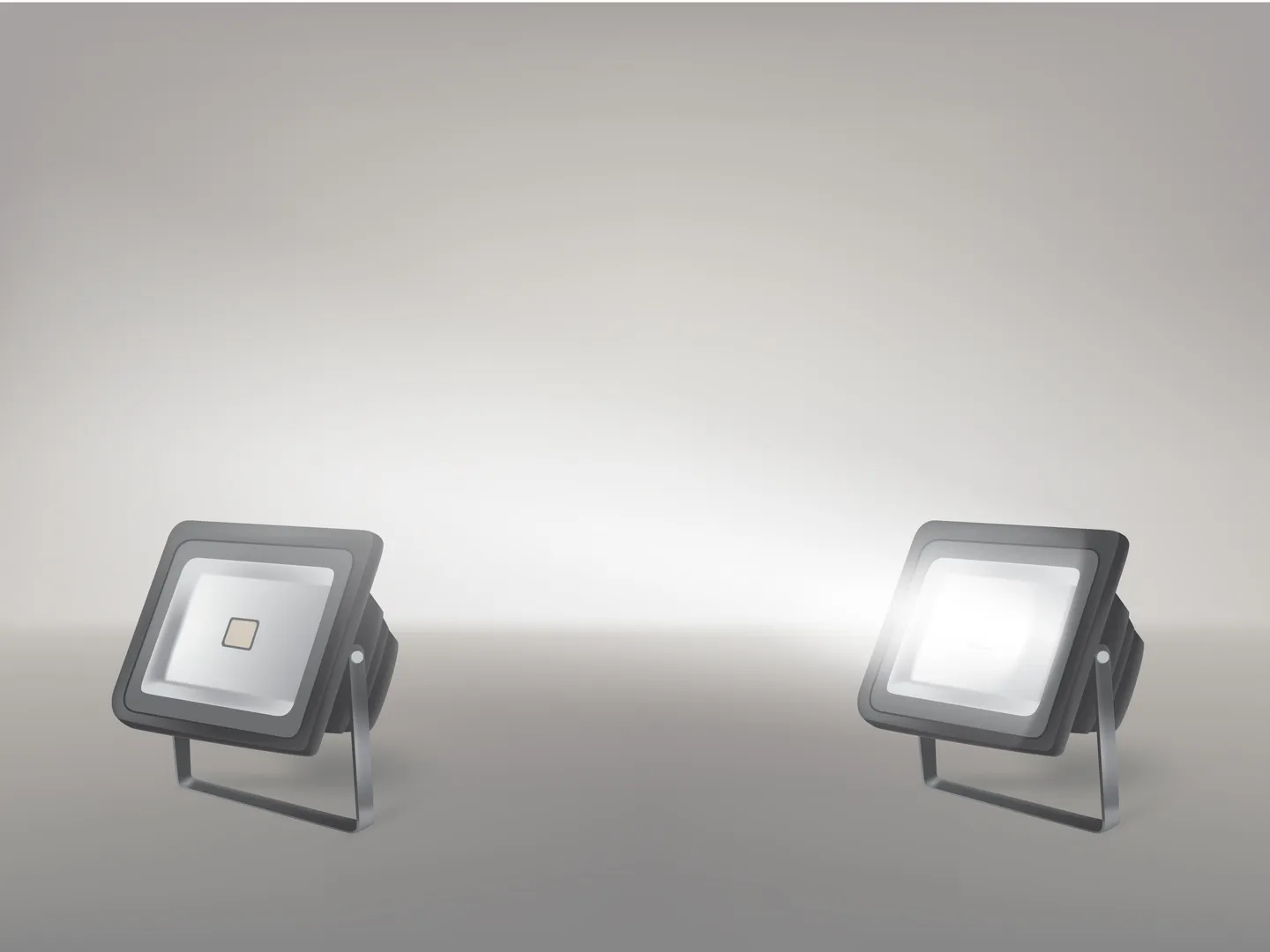
A Flood Light Manufacturer in Delhi/NCR typically designs fixtures around several practical requirements, including beam spread, mounting height, wattage, heat management, ingress protection, and expected operating hours. Understanding these factors can help buyers specify the right lighting instead of selecting a fixture only by wattage.
One of the first considerations is beam distribution. A narrow beam concentrates illumination over a smaller area, while a wider beam covers more ground. The correct choice depends on the mounting location and the size of the area being illuminated. Poor beam selection may create excessively bright spots in some places while leaving other sections inadequately lit.
Heat management is equally important. LED components generate heat during operation, and a well-designed housing helps dissipate it efficiently. Effective thermal management can support consistent light output and contribute to the operational life of the fixture.
Outdoor installations also need suitable protection against environmental exposure. Dust, rain, moisture, and changing temperatures are common concerns across Delhi and the wider National Capital Region. Buyers should therefore examine the fixture's construction, sealing, housing material, and applicable IP protection level according to the installation environment.
Other useful specifications to review include:
- Lumens and overall lighting output
- Wattage and energy consumption
- Beam angle
- Colour temperature
- Driver specifications
- Surge protection requirements
- Mounting arrangement
- Housing construction
- Expected operating conditions
Kozon India Solutions Pvt Ltd manufactures LED lighting solutions for different commercial and infrastructure applications. For project planners, the important point is to match the flood light specification to actual site conditions rather than assuming that one model can serve every application.
Lighting layout also matters. A high-output flood light positioned incorrectly can still result in poor visibility. Mounting height, fixture spacing, tilt angle, surrounding structures, and potential glare should all be considered during planning.
For industrial facilities in Delhi, logistics sites across NCR, commercial campuses, and outdoor infrastructure projects, a specification-led approach can help create more practical lighting layouts. It may also reduce unnecessary energy use caused by oversized fixtures or excessive fixture quantities.
The most effective outdoor lighting starts with understanding the site. Area dimensions, operating hours, environmental exposure, required visibility, and mounting possibilities should be assessed before deciding on wattage or fixture quantity. That approach makes flood lighting a planned engineering decision rather than simply a purchase based on brightness.
Keywords